
VIRTUAL · LIMITED TO 4 CLINICIANS
Coercive Control Case Consultation
A case-consultation cohort for clinicians working with survivors of cults, high-control groups, and coercive relationships.
OVERVIEW
A small cohort pairing case review with direct input from Jennifer and Felicia.
Built for clinicians who want a confidential space to bring their coercive-control cases and think them through with experts who work in this terrain daily.
WHO’S IT FOR
Clinicians working with survivors of cults, high-control groups, coercive relationships, and psychological manipulation.
WHAT’S INCLUDED
Case Consultation — 25 min per person, per case
Expert Input — direct guidance from Jennifer & Felicia
Psychoeducation & Resources
Best practices, research, referrals where relevant
SCHEDULE
Seven 2-hour sessions
Fridays
9–11am PT
12–2pm ET
Virtual cohort
Limited to 4 clinicians
About Jennifer & Felicia
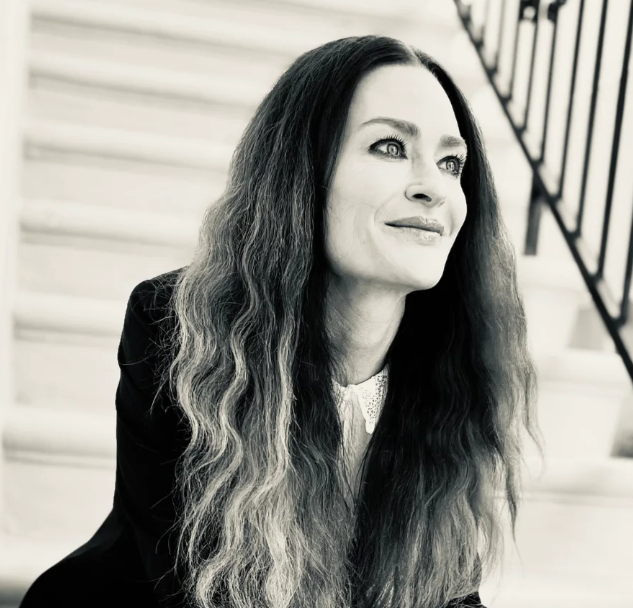
Jennifer French Tomasic holds a Master’s degree in the Psychology of Coercive Control and is completing her PhD in Psychology, Policy, and Law at Alliant International University, specializing in Forensic Psychology.
Jennifer consults with survivors, families, and legal teams in matters involving coercive control, trauma, family court, cults, undue influence, religious and spiritual abuse, and the Troubled Teen Industry. She is also a cult survivor and previously hosted The Project Hope Podcast for families and friends affected by high-demand and high-control groups. She knows this terrain from both sides.
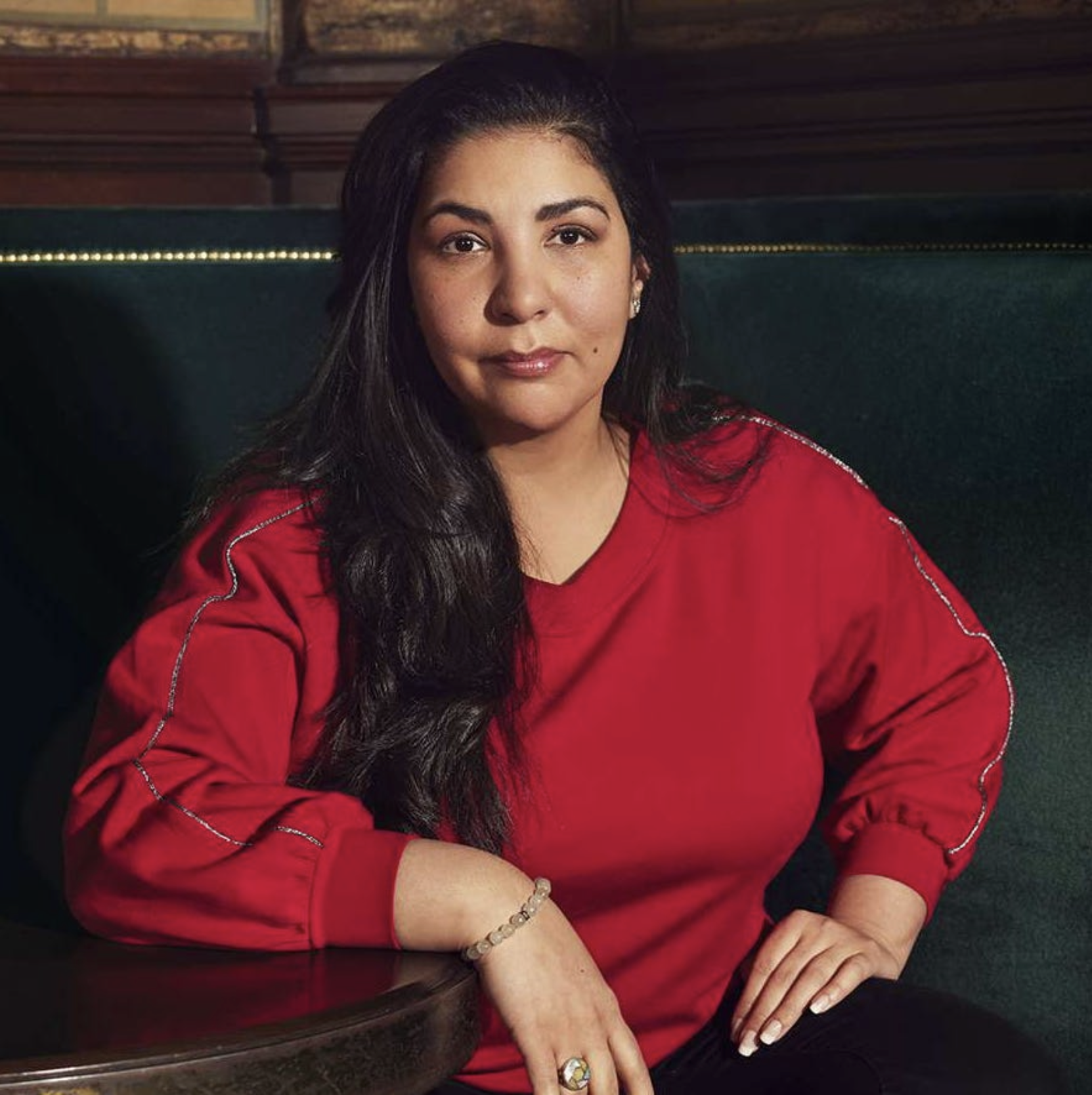
Dr. Felicia Rosario, MD is a forensic behavioral analyst specializing in trauma and coercive control. She holds an AB from Harvard University and an MD from Columbia University, and completed her psychiatry internship at USC. She is a member of the Program in Psychiatry and the Law at Harvard Medical School.
Felicia’s work focuses on how coercive dynamics shape survivor interactions with legal, institutional, and clinical systems. She consults with attorneys, clinicians, and organizations on behavior and decision-making shaped by trauma and coercive control. Her own direct experience within a high-control system brings a level of pattern recognition that goes beyond clinical training alone.